A Trek That’s Totally Worth the Blisters
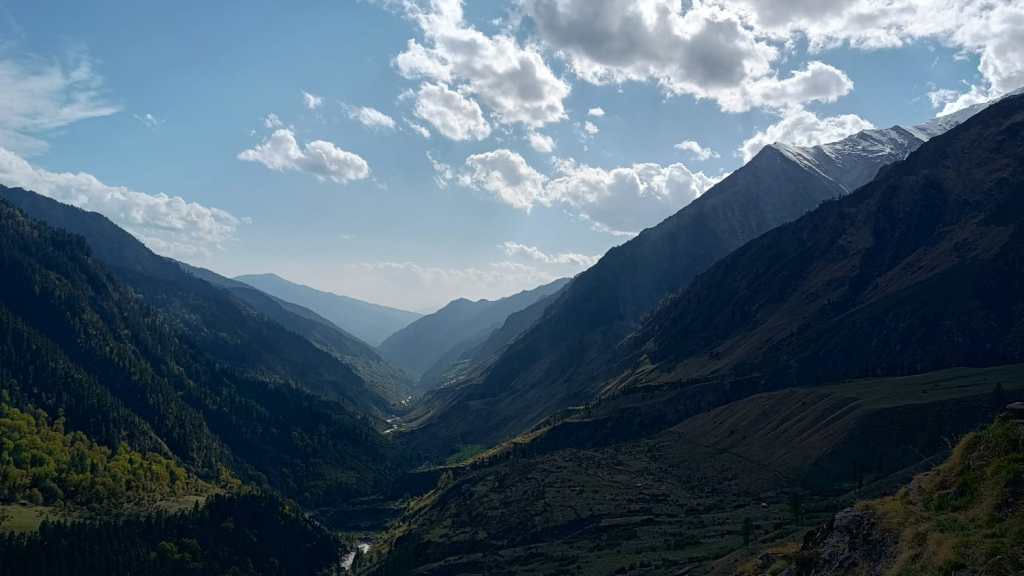
Picture this: You wake up to birds chirping, take a deep breath of crisp mountain air (it’s fresher than your morning espresso), and watch the sun slowly paint the Himalayan peaks in golden hues. If this sounds like your kind of thing, then let me introduce you to Har Ki Dun, or as I like to call it, “Mother Nature’s Paradise on Steroids.” Tucked away in the Garhwal Himalayas, this trek offers views so beautiful, they’ll have you forgetting about the WiFi you left behind.
So if you’re into breathtaking landscapes, cultural encounters, and adventures that give you great Instagram material and sore muscles, you’re in the right place.
The Road to Nirvana (Also Known as Sankri)
Our trek began in the bustling city of Dehradun, where we kicked things off with an 8-10 hour drive to Sankri. I know, I know—10 hours in a car? But trust me, it’s a visual rollercoaster. You’ll pass by scenic hill towns, dense forests, and rivers that look like they came straight out of a travel brochure. It’s the kind of road trip where the playlist is nature’s soundtrack (spoiler: it’s mostly wind and river sounds, but it’s better than anything on Spotify).
Sankri, perched at 1,950 meters, greeted us with cozy wooden houses and friendly locals who, by the way, look like they’ve been training for treks since birth. After a night in a charming guesthouse, we were ready to hit the trails (and yes, Sankri’s altitude is just high enough to remind you that oxygen is a gift).
Sankri to Dhatmere: Into the Woods (Minus the Fairy Tale Drama)
Day one of the trek took us on a steady, uphill walk through pine and oak forests, where the air smells like a mix of Christmas and adventure. As we followed the Supin River, the landscape transformed into terraced fields, cute little villages, and wildflowers as colorful as your grandma’s garden. We even crossed a couple of wooden bridges that were definitely designed for the adventurous soul—or, you know, someone who’s okay with a little wobble.
Between the locals waving at us and the breathtaking views, the first leg was more of a pleasant hike than a “get me out of here” endurance test.
Seema to Boslo: The Day of Waterfalls (And Possibly a Unicorn)
On day three, we ventured deeper into the valley, heading toward Boslo. This section is a moderate ascent, which is just fancy trekker talk for “you’ll be sweating, but the views make up for it.” Streams and waterfalls were a welcome sight along the way, and while we didn’t spot any unicorns, I’m convinced we were close.
Boslo sits at a dreamy 3,413 meters and is surrounded by lush meadows, so peaceful you could hear your thoughts (spoiler: mine were mostly about food). We pitched our tents here, and let me tell you, watching the sunset behind the Himalayas is the kind of experience that makes you forget about your phone—or at least wish it had a better camera.
Har Ki Dun Valley: The Grand Finale
Finally, on day four, we arrived at the pièce de résistance—Har Ki Dun Valley. And wow, it’s even better than the postcards! Getting there required a gradual climb through rocky terrain and forest paths, but every step was worth it. As we ascended, peaks like Swargarohini and Bandarpoonch emerged in the distance, offering views so epic they practically begged for a selfie (or ten).
Sitting at 3,566 meters, Har Ki Dun Valley is a nature lover’s dream. The valley bursts with wildflowers, crystal-clear streams, and greenery so lush you’d think it was Photoshopped. We even paid a visit to the ancient Har Ki Dun temple, which dates back so far it makes your “vintage” clothes seem fresh off the rack. We spent the night in the valley, with the Himalayas standing watch as we slept.
Heading Back Down (But Still on Cloud Nine)
The descent the next day gave us a chance to admire the views from a different angle (and yes, it was still amazing). We made our way back to Sankri at a relaxed pace, which let us fully appreciate how stunning this region really is.
Once back in Sankri, we celebrated like true adventurers—with a massive meal and a much-needed rest at Roma EcoLodge, a rustic little slice of heaven. Oh, and we got our trekking certificates! Yes, it’s a piece of paper, but it’s also proof that we survived and thrived on this epic journey.
Why Har Ki Dun Should Be on Your Adventure Bucket List
Scenic Bragging Rights: Get ready for some jaw-dropping views of snow-capped peaks, lush meadows, and rivers clearer than your filtered water at home.
Culture Vibes: Walk through charming Himalayan villages and visit temples that’ll give you a taste of the region’s rich history (and maybe make you rethink your temple-hopping Instagram phase).
Thrill Factor: The trek is moderately challenging, which means it’s perfect for those who like their adventures exciting but don’t want to climb Everest just yet.
Nature’s Wonderland: Spot rare birds, wildflowers, and if you’re lucky, maybe even some wildlife that’ll make you feel like a true explorer.
Peace & Quiet: This isn’t your overcrowded tourist trek. It’s serene, it’s secluded, and it’s perfect for those who need a break from the chaos of everyday life (or just really dislike crowds).
Pro Tips for Trekking Success
Get Fit-ish: You don’t need to be a marathon runner, but a bit of cardio prep will make your trek way more enjoyable.
Acclimatize Like a Pro: Spend a couple of days in Sankri to get used to the altitude. Your lungs will thank you.
Pack Like a Trekking Ninja: Layers, sturdy shoes, a good sleeping bag, and snacks. Lots of snacks.
Stay Hydrated: Trust me, water is your best friend on this trek.
Respect the Land: Follow Leave No Trace principles, because we all want to keep this place as stunning as we found it.
Ready for the Adventure of a Lifetime?
After an exhilarating trek through Har Ki Dun, there’s no better way to unwind and rejuvenate than by spending a night at Roma EcoLodge. Nestled in the peaceful surroundings of Sankri, Roma EcoLodge is more than just a place to rest your head—it’s an eco-friendly retreat that offers a deeper connection to nature.
The lodge blends rustic charm with modern comforts, making it the perfect spot to relax after your adventure. Imagine waking up to the sound of birds chirping, with a stunning view of the surrounding mountains right outside your window. The lodge is committed to sustainability, using local resources and promoting eco-conscious tourism, which makes your stay not only comfortable but also kind to the environment.
At Roma EcoLodge, you’ll enjoy delicious, home-cooked meals prepared with locally sourced ingredients—think piping hot rotis, fresh vegetables, and comforting bowls of dal to refuel after your trek. Plus, the warm and welcoming hosts make you feel like part of the family, sharing stories and local knowledge that add to the richness of your Himalayan experience.
So, whether you’re celebrating your trekking triumph or simply soaking in the tranquility of the Himalayas, Roma EcoLodge –https://www.roma-ecolodge.org/ offers the perfect blend of adventure and serenity. It’s the ultimate reward after days of trekking, giving you a cozy place to reflect on your journey while being surrounded by the natural beauty you came to explore.
If you’re craving unspoiled nature, thrilling adventure, and a cultural immersion that doesn’t involve tour buses or selfie sticks, then the Har Ki Dun trek is calling your name. This journey through the Himalayas will leave you with memories (and calf muscles) that last a lifetime.
So what are you waiting for? Book your trek and let the Himalayas do the rest!
 Dear mind, I mind.
Leave a comment